Frenchie, Pug, Boston, or Corgi: Which Small Breed Actually Fits Your Life?
So you've decided a small dog is in your future. Smart move. Small dogs are adaptable, apartment-friendly, and honestly — some of the most entertaining creatures on the planet. But now comes the hard part: which small dog?
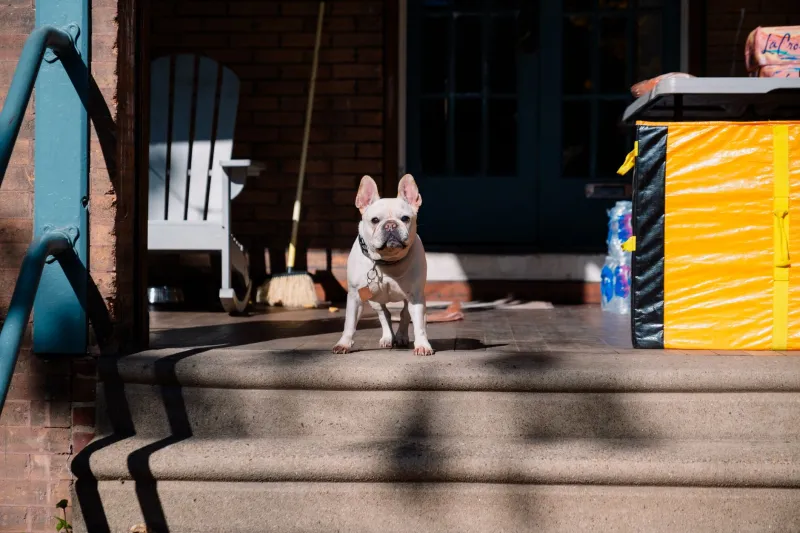
If you've been circling the French Bulldog as your top pick, you're in good company. Frenchies have been one of the most popular breeds in the US for years running. But before you sign on the dotted line (or hand over a very significant check), it's worth doing a real, honest comparison between Frenchies and some of the other breeds people often consider alongside them — Pugs, Boston Terriers, and Corgis.
Each of these dogs has a devoted fanbase. Each has genuine strengths. And each has quirks that can either delight you or quietly drive you up the wall, depending on your lifestyle.
Let's get into it.
The Personality Baseline: What All Four Have in Common
Here's the thing — Frenchies, Pugs, Bostons, and Corgis all share a few traits that make them wildly popular with a wide range of owners. They're all people-oriented. They all tend to do well in smaller living spaces (with some caveats for Corgis). And they all have enough personality to fill a room.
But that's kind of where the similarities end.
French Bulldogs: The Laid-Back Clowns With a Stubborn Streak
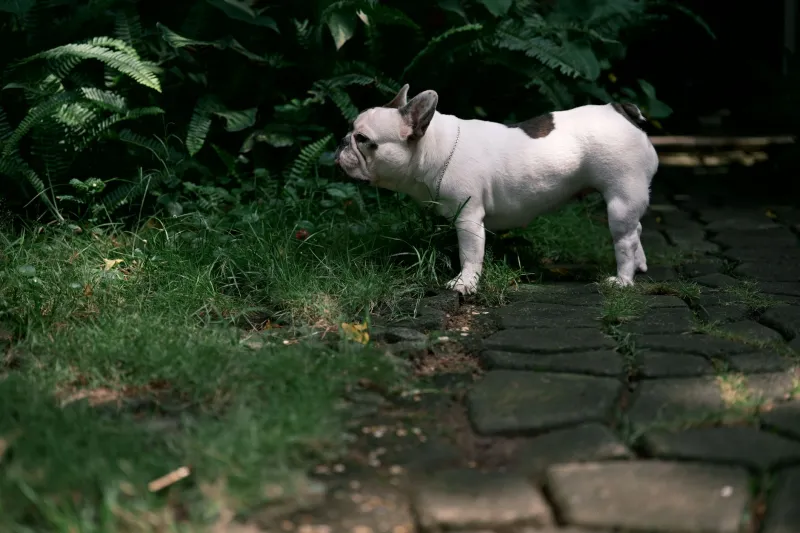
Frenchies are, at their core, companion dogs. That's what they were bred for, and it shows in literally everything they do. They want to be near you. They want to make you laugh. And they want to do it all while expending the absolute minimum amount of energy possible.
Personality-wise, Frenchies tend to be calm, affectionate, and surprisingly goofy. They're not yappy. They don't need to run three miles a day. They're perfectly happy on the couch watching TV with you, and they'll be equally happy at a backyard barbecue charming every single person there.
The catch? Stubbornness. French Bulldogs are famously independent thinkers. They'll look you dead in the eye, fully understand what you're asking, and then do whatever they were already planning to do. Training a Frenchie requires patience, consistency, and a healthy sense of humor.
They're also prone to separation anxiety, which is worth knowing upfront. If you work long hours away from home, a Frenchie might not be the easiest fit without some serious planning.
Pugs: The Original Couch Potato With Maximum Charm
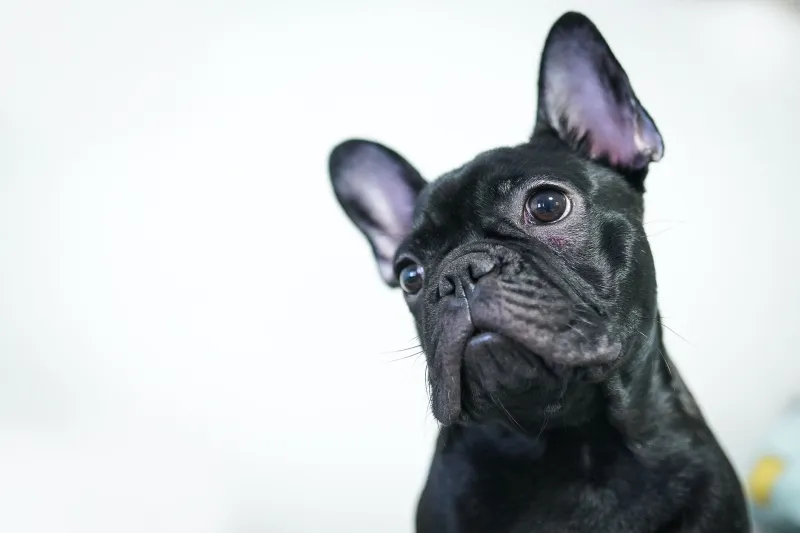
Pugs and Frenchies get compared constantly, and it makes sense — they're both brachycephalic (flat-faced), both compact, and both deeply devoted to their people. But there are real differences.
Pugs tend to be slightly more easygoing than Frenchies when it comes to training — they're eager to please in a way that Frenchies just... aren't. They're also incredibly social and tend to get along well with kids, other dogs, and strangers.
The downside? Pugs shed a lot. Like, a concerning amount for a dog that small. And their health issues are significant — breathing problems, eye issues, and joint concerns are all common. In that sense, they're similar to Frenchies, but many owners find Pugs require even more vigilance around heat and exercise.
If you want a low-key, sweet, cuddly dog who's slightly easier to train than a Frenchie but don't mind vacuuming constantly — Pug might be your breed.
Boston Terriers: The Energetic Cousin Who's Always Up for Something
Boston Terriers look similar to Frenchies at first glance — tuxedo markings, compact build, big eyes. But their energy levels are in a completely different league.
Bostons are active. They love to play, they love to run, and they're genuinely enthusiastic about training in a way that makes them one of the more responsive small breeds out there. If you want a dog that's easier to teach tricks and commands, a Boston will probably outperform a Frenchie in that department.
They're also less prone to the extreme breathing issues that affect Frenchies and Pugs, which can mean lower vet bills over time (though they still have some health considerations).
The trade-off is that Bostons need more exercise and mental stimulation. They can get bored and destructive if under-stimulated. For an active owner or a family with kids who want an energetic playmate, Bostons are excellent. For someone looking for a chill companion who's happy to lounge? Frenchie wins.
Corgis: The Surprisingly Athletic Little Herders
Corgis are a bit of an outlier on this list, but they come up constantly when people are shopping for small-to-medium dogs. And it's easy to see why — they're adorable, funny, and wildly popular online.
But here's the honest truth: Corgis are working dogs. Pembroke Welsh Corgis especially were bred to herd cattle, and that instinct doesn't just disappear because you live in a Denver suburb. They're smart, eager, and highly trainable — but they need a job. Without mental and physical outlets, Corgis can become anxious, barky, and difficult.
Compared to a Frenchie, a Corgi requires significantly more daily exercise and engagement. They're also more vocal — if you live in an apartment building with thin walls, that's worth considering.
If you're an active person who wants a smart, trainable dog with a big personality, Corgis are fantastic. But if you're looking for a lower-maintenance companion who's happy in a smaller space with moderate exercise — the Frenchie has Corgis beat on that front.
So Where Does the Frenchie Actually Win?
Frenchies shine for owners who want:
- A calm, low-exercise dog that doesn't need long daily runs
- A social butterfly who charms every person they meet
- An apartment-friendly companion who's quiet and adaptable
- A dog with massive personality packed into a small, sturdy frame
- A loyal shadow who genuinely wants to be wherever you are
And Where Do Frenchies Lose?
Let's be real — Frenchies aren't perfect for every household. They can be a tough fit if you:
- Want a highly trainable dog who picks up commands quickly and reliably
- Work long hours and can't arrange for midday company or a dog walker
- Have a tight budget — Frenchies have real breed-specific health costs
- Love outdoor adventures — hiking, running, or extended outdoor activity is genuinely risky for brachycephalic dogs in warm weather
- Prefer a lower-shedding breed (Frenchies shed moderately, though less than Pugs)
The Bottom Line
There's no universally "best" small breed — it really does come down to your lifestyle, your home, your schedule, and what you want out of a dog. But if you're someone who wants a funny, affectionate, low-key companion who will be absolutely devoted to you and entertain literally everyone you introduce them to? The Frenchie is pretty hard to beat.
Just go in with your eyes open, your training patience fully charged, and your vet on speed dial. That's the real Frenchie ownership starter pack.