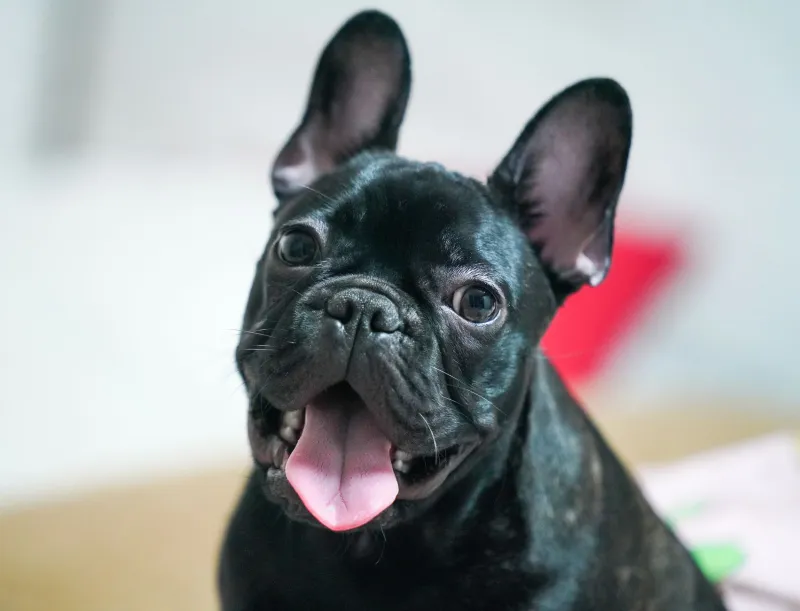
Room by Room: How to Puppy-Proof Your Home for a French Bulldog (Without Wrecking Your Decor)
Here's something nobody tells you before you bring home a French Bulldog puppy: they are remarkably good at finding the one thing in your house you forgot to move. The one sock under the couch. The one plant you thought was out of reach. The one electrical cord you assumed they wouldn't notice.
They notice everything.
Frenchies are curious, stubborn, low-to-the-ground explorers who approach the world with a combination of confidence and zero sense of self-preservation. Add in some breed-specific quirks—like their sensitivity to heat, their tendency to chew with enthusiasm, and their surprising ability to wedge themselves into small spaces—and you've got a puppy that requires a slightly more thoughtful approach to home preparation.
The good news: you don't have to turn your place into a sterile, padded bunker. With some targeted adjustments, you can keep your Frenchie pup safe and keep your home looking like a place where adults live. Here's how to go room by room.
Start Here: The Frenchie-Specific Hazards Most Guides Miss
Before we get into individual rooms, it's worth calling out a few hazards that are especially relevant to French Bulldogs specifically—not just puppies in general.
Heat is a serious concern. Frenchies can't regulate their body temperature the way other dogs can. Overheating happens fast and can become dangerous quickly. This means vents blowing hot air, sunny spots on hardwood floors in summer, and any enclosed space without airflow (like a crate near a south-facing window) all need to be on your radar.
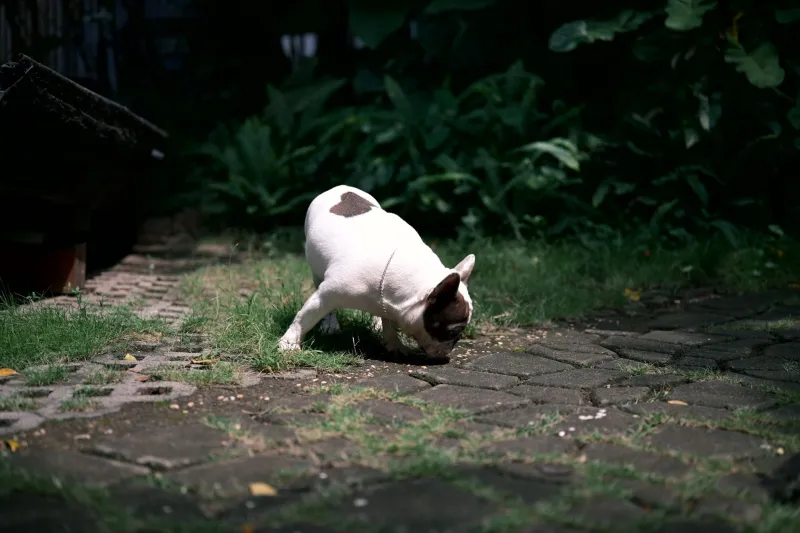
Their flat faces make them curious sniffers. Because Frenchies breathe through a more restricted airway, they tend to get very close to things they're investigating—pressing their nose right up against surfaces. Small objects, toxic plant soil, cleaning product residue on floors—they'll encounter all of it at nose level.
They're built low and wide. That center of gravity makes them great at squeezing under furniture and getting into tight spots. It also means stairs, elevated surfaces, and furniture they can jump up onto but not safely jump down from are real risks. Frenchies and spinal injuries are unfortunately linked—the breed has a higher rate of IVDD (intervertebral disc disease), and hard landings from heights can be a contributing factor.
Okay. Room by room.
The Living Room
This is usually where your Frenchie will spend most of their time, which means it deserves the most attention.
Cords and cables are the obvious starting point. Gather them up, run them through cord covers or along baseboards, and secure anything that hangs loose. A puppy that chews through a live cable isn't just damaging your tech—it's a genuine emergency.
Furniture height matters more than you'd think. If your Frenchie can get onto the couch, they will. And then they'll try to get down. Add a small pet ramp or steps to give them a safe route. Your vet will thank you later.
Coffee table clutter is fair game. Remote controls, pens, coins, hair ties—anything small enough to mouth or swallow needs to be off surfaces your pup can reach.
Houseplants deserve a full audit. Pothos, philodendron, ZZ plants, and peace lilies are all common in American homes and all toxic to dogs. The ASPCA's website has a comprehensive toxic plant list—cross-reference your collection and either relocate plants to genuinely unreachable spots or swap them out for pet-safe alternatives like spider plants or Boston ferns.
The Kitchen
Kitchens are basically obstacle courses of hazards for puppies.
Lower cabinet locks are worth it, especially for cabinets under the sink (cleaning products) or anywhere you store food. Frenchies are food-motivated to a fault and will absolutely figure out a cabinet that doesn't latch properly.
The trash can needs a lid or needs to live inside a cabinet. Chicken bones, onion scraps, coffee grounds, and xylitol-containing foods (like some peanut butters and sugar-free gum) can all end up in there—and all of them are dangerous.
Floor spills matter because Frenchies eat everything off the floor. If you drop something, pick it up before your pup gets there. This is especially important with grapes, raisins, macadamia nuts, and anything containing xylitol.
The stove area should be off-limits when you're cooking. Hot grease splatter, open flames, and a curious puppy are a bad combination.
The Bedroom
Under the bed is a Frenchie magnet. It's dark, enclosed, and feels like a den—which means your pup will go exploring and potentially find old socks, forgotten chargers, or dusty items they shouldn't chew. Block access with a bed skirt or foam pool noodles tucked under the frame if you want to keep it off-limits.
Nightstand items like medications (human or pet), lip balm, and hair accessories should be in a drawer, not on the surface.
Temperature at night is worth thinking about, especially in summer. If your bedroom gets warm overnight, make sure your pup has a cool, well-ventilated sleeping spot and access to water.
The Bathroom
Keep the door closed. Seriously, this is the easiest solution. But if your Frenchie tends to follow you everywhere (they will), make sure:
- Toilet lids are down (small puppies can fall in and struggle to get out)
- Medications are in a medicine cabinet, not on the counter
- Cleaning products are stored out of reach
- Razors and small items aren't on the edge of the tub or sink
The Garage and Outdoor Spaces
Garages are some of the most hazardous spots for dogs. Antifreeze, in particular, is extremely toxic and has a sweet taste that attracts animals. Keep it locked up and clean up any spills immediately.
For yards and patios: check your fence for gaps low to the ground (Frenchies are sneaky), make sure there's always shade and fresh water available, and keep lawn chemicals, fertilizers, and pesticides stored securely.
During hot months, limit outdoor time to early morning or evening. Concrete and asphalt hold heat—if it's too hot for your hand, it's too hot for your pup's paws.
A Quick Checklist to Print and Keep
Before your Frenchie comes home, run through this:
- All electrical cords secured or covered
- Toxic houseplants removed or relocated
- Trash cans lidded or cabinet-stored
- Lower cabinets latched
- Medications stored out of reach in every room
- Furniture ramps or steps in place
- Under-bed access blocked (if desired)
- Antifreeze and chemicals in garage secured
- Yard fencing checked for gaps
- Shade and water available outdoors
- Toilet lids down, bathroom door habit established
The Real Secret to Puppy-Proofing
No checklist is going to catch everything—and that's okay. The goal isn't to eliminate all risk, it's to eliminate the obvious risks and stay observant as your Frenchie grows and discovers new ways to get into trouble (because they will).
Get down on your hands and knees at some point and look at your home from puppy-level. You'll see things you never noticed before. And when in doubt, assume your Frenchie will find it, sniff it, and try to eat it. Plan accordingly.