All That Snorting and Sputtering: Decoding Your Frenchie's Wildest Sounds
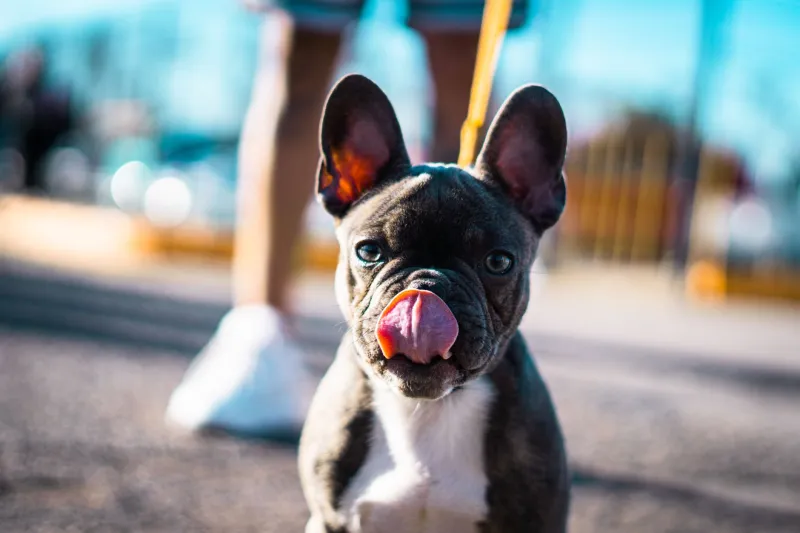
If you've recently brought home a French Bulldog puppy, you've probably already noticed something: this dog is loud. Not barking loud (though they have opinions about that too), but loud in a whole other way. Snorts, wheezes, reverse sneezes, grunts that sound vaguely human — it's a full symphony in there, and it's coming from a dog that weighs maybe 12 pounds.
New Frenchie owners often panic the first time their pup goes into a reverse sneezing episode. It sounds alarming. It looks alarming. Your dog is standing there, neck stretched out, making a honking, gasping sound like they're trying to inhale a trombone. And then, just as suddenly as it started, they shake it off and go back to chewing their toy like nothing happened.
So what's actually going on? And more importantly — when should you genuinely be concerned?
Why Frenchies Sound the Way They Do
The short answer: anatomy. French Bulldogs are a brachycephalic breed, which is a fancy way of saying they have that signature flat face and compressed skull shape. It's what makes them so cute. It's also what makes their airways... complicated.
Brachycephalic dogs have shorter nasal passages, narrower nostrils (called stenotic nares), and sometimes an elongated soft palate — basically, there's a lot going on in a small space. Air moving through that system doesn't always flow smoothly, and the result is a whole catalog of sounds that can startle you the first dozen times you hear them.
This doesn't mean your Frenchie is suffering. Most of the time, they're perfectly comfortable. But it does mean you need to know your dog's baseline so you can notice when something shifts.
The Reverse Sneeze: Dramatic, But Usually Fine
Reverse sneezing is probably the most common thing Frenchie owners freak out about, and honestly, it's understandable. During a reverse sneeze, your dog rapidly inhales through their nose in a series of forceful snorts — sometimes for 10 to 30 seconds. They might extend their neck, widen their eyes, and look genuinely distressed.
Here's the thing: they're almost always okay. Reverse sneezing happens when something irritates the soft palate or throat — dust, a strong smell, eating too fast, even just excitement. The body's response is basically a spasm that tries to clear the irritation.
You can help your pup through it by gently massaging their throat, briefly covering their nostrils to encourage them to swallow, or just staying calm and letting it pass. Most episodes are over in under a minute.
If your Frenchie is reverse sneezing constantly throughout the day, multiple times every day, that's worth mentioning to your vet. Occasional episodes? Totally normal Frenchie life.
Regular Sneezing: When to Pay Attention
Normal sneezing is also just... normal. Dogs sneeze to clear their nasal passages, the same as we do. A few sneezes here and there after sniffing around in the yard? No big deal.
What you want to watch for:
- Persistent sneezing that lasts more than a day or two — could indicate a respiratory infection, allergies, or a foreign object stuck in the nasal passage (yes, this happens, especially with curious puppies)
- Sneezing accompanied by thick discharge — clear and watery is usually fine; yellow, green, or bloody discharge is a vet visit
- One-sided sneezing with pawing at the face — this can signal something lodged in the nostril
- Sneezing combined with lethargy, loss of appetite, or fever — these together suggest illness, not just quirky Frenchie behavior
The Grunt, the Snuffle, and the Piggy Wheeze
Frenchies grunt. They snuffle. They make little piggy noises when they're excited, when they're eating, when they're settling down for a nap. This is all pretty standard stuff, and most Frenchie owners come to find it absolutely endearing.
The wheeze is the one that tends to cause more concern. A soft wheeze during or after exercise is common in brachycephalic dogs — they're just not built for long-distance running, and their airways feel the effort. This is why it's so important to keep Frenchies from overexerting themselves, especially in heat.
A wheeze that shows up at rest, or that sounds wet and bubbly, is different. That could point to fluid in the lungs, a respiratory infection, or in more serious cases, a heart issue. If your Frenchie is wheezing while just lying around doing nothing, get them checked out.
The Red Flags You Shouldn't Ignore
Here's a quick-reference list of sounds and symptoms that mean it's time to call your vet:
- Blue or purple-tinged gums — this is an emergency, indicating oxygen deprivation
- Open-mouth breathing at rest — Frenchies should be able to breathe with their mouth closed when they're calm
- Gasping or labored breathing that doesn't resolve — not a reverse sneeze episode, but actual sustained difficulty breathing
- Coughing that sounds wet or produces mucus
- Snoring that suddenly gets dramatically louder or changes in character
- Exercise intolerance that gets progressively worse
Some Frenchies do have brachycephalic obstructive airway syndrome (BOAS) severe enough to require surgical correction — things like widening stenotic nares or shortening an elongated soft palate. If your vet mentions this, it's worth taking seriously. The procedure can genuinely improve your dog's quality of life.
Getting to Know Your Frenchie's Normal
The best thing you can do as a Frenchie owner is get familiar with your specific dog's sounds early on. Every Frenchie has their own personal noise profile. Once you know what your pup sounds like when they're happy and healthy, you'll have a much better instinct for when something's off.
Record a little video of your pup during a reverse sneeze episode — it's useful to have on hand when you talk to your vet, and honestly, it'll make you laugh later. Welcome to Frenchie ownership. It's loud, it's weird, and it's completely wonderful.