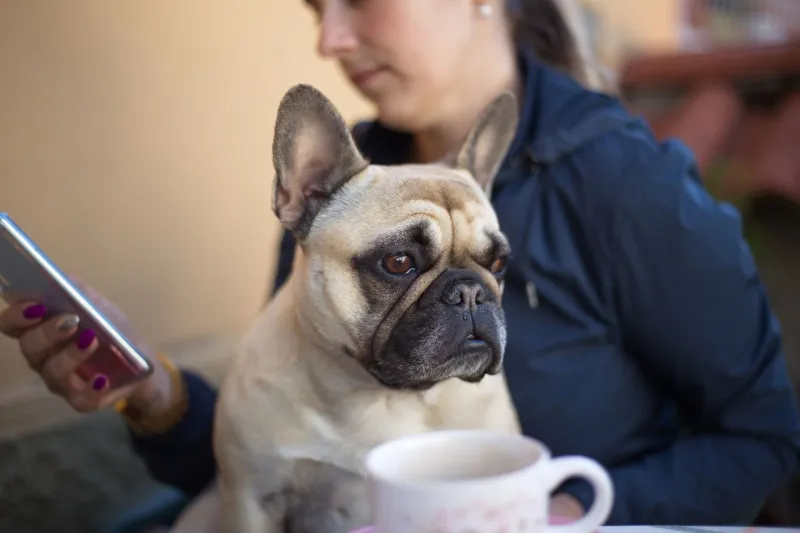
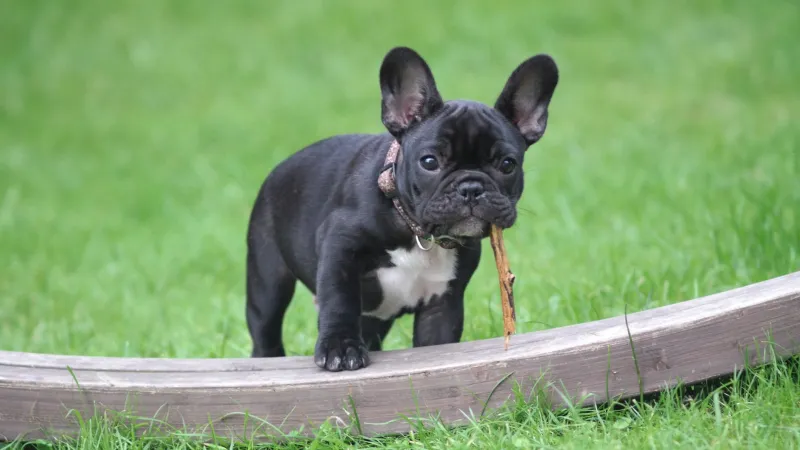
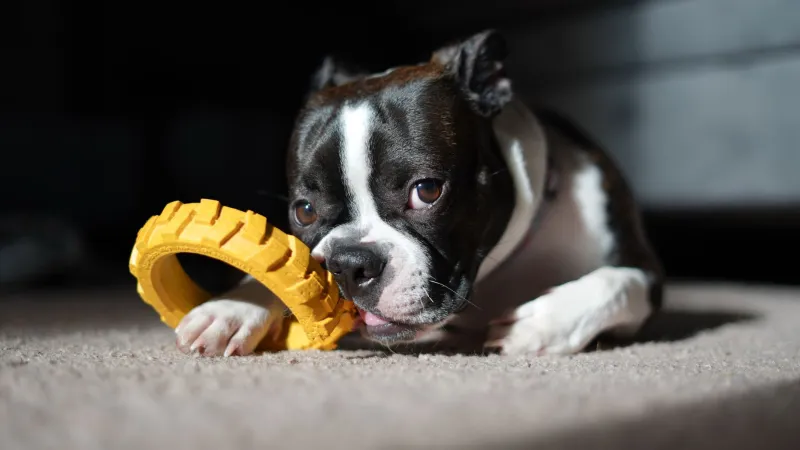
Your Frenchie's Breath Could Peel Paint — Here's What's Actually Going On (and How to Fix It)
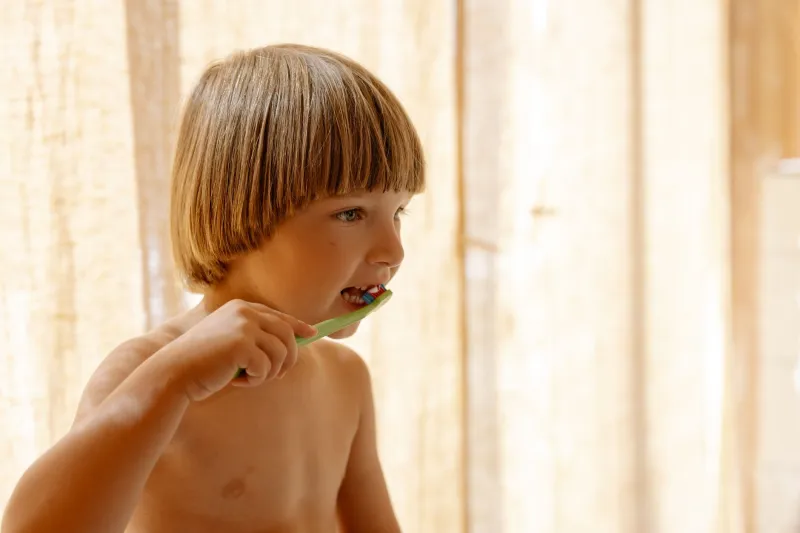
Let's be honest. Your Frenchie is adorable, squishy-faced, and absolutely the love of your life. But when they crawl up onto the couch and breathe directly into your face, it can be... a lot. If you've been telling yourself that stinky dog breath just comes with the territory, we've got some news for you: it doesn't have to be this way.
Bad breath in French Bulldogs is actually a pretty common complaint among owners, but a lot of folks chalk it up to the breed and move on. The truth is, that funky smell is usually a signal — and it's worth paying attention to.
Why Frenchies Are Especially Prone to Dental Problems
Here's the thing about French Bulldogs: that adorable smooshed face isn't just cute, it comes with some real structural quirks. Because Frenchies are brachycephalic (meaning their skull is shorter and wider than most dog breeds), their teeth are often crowded together in a smaller-than-average jaw. That crowding creates a lot of nooks and crannies where food particles, bacteria, and plaque love to hang out.
Add in the fact that many Frenchies are mouth breathers — thanks to those narrowed airways — and you've got a warm, damp environment that's basically a five-star resort for the kind of bacteria that cause bad breath and gum disease.
According to veterinary dental specialists, small and brachycephalic breeds are at a statistically higher risk for periodontal disease than their longer-snouted counterparts. And periodontal disease doesn't just affect the mouth — left untreated, the bacteria can enter the bloodstream and potentially affect the heart, kidneys, and liver. So yeah, this isn't just a cosmetic issue.
What's Actually Causing That Smell
Before you can fix the problem, it helps to understand what you're dealing with. Here are the most common culprits behind stinky Frenchie breath:
Plaque and Tartar Buildup This is the big one. Plaque — that soft, sticky film of bacteria — forms on your dog's teeth constantly. If it's not removed regularly, it hardens into tartar, which is much more difficult to deal with and can lead to gum inflammation (gingivitis) and eventually full-blown periodontal disease.
Diet What your Frenchie eats plays a bigger role than most people realize. Wet food, in particular, tends to stick to teeth more than dry kibble. Certain low-quality foods with lots of fillers can also contribute to an imbalance in oral bacteria. Even some popular treats can leave a residue that feeds odor-causing bacteria.
Something They Ate Okay, this one's less medical and more... Frenchie. If your pup has been raiding the trash, snacking on something questionable in the backyard, or got into the cat's food, that can absolutely explain a sudden bout of particularly offensive breath.
Underlying Health Issues Sometimes bad breath is a symptom of something bigger. Kidney disease can cause a urine-like smell. Diabetes may produce a sweet or fruity odor. Gastrointestinal issues can contribute too. If your Frenchie's breath has changed noticeably and suddenly, a vet visit is the right call.
Building a Real At-Home Dental Routine
Here's where a lot of owners get tripped up: they know they should brush their dog's teeth, but they're not sure how to actually make it happen without a wrestling match.
The good news is that if you start early and keep things positive, most Frenchies will tolerate — and some will even enjoy — a regular brushing routine.
What You'll Need
- A soft-bristled toothbrush designed for dogs (finger brushes work great for beginners)
- Dog-safe toothpaste — never use human toothpaste, as it often contains xylitol, which is toxic to dogs
- Patience and some high-value treats for positive reinforcement
How Often? Vets generally recommend brushing your dog's teeth daily, but even three to four times a week makes a significant difference compared to not brushing at all. Something is always better than nothing.
Starting Slow If your Frenchie has never had their teeth brushed, don't just go for it on day one. Spend a few sessions just letting them lick the toothpaste off your finger. Then introduce the brush gently, focusing on the outer surfaces of the teeth where tartar tends to accumulate most. Build up gradually, keeping sessions short and ending on a positive note.
Dental Chews, Water Additives, and Other Helpful Tools
Brushing is the gold standard, but it's not the only tool in your kit. A few other options worth considering:
Dental Chews Look for products with the Veterinary Oral Health Council (VOHC) seal — that's the closest thing to a stamp of approval from the veterinary dental community. These chews are specifically tested to reduce plaque and tartar. Just be mindful of the calorie content, especially if your Frenchie is already on the rounder side of things.
Water Additives These are essentially mouthwash for dogs — you add a small amount to their water bowl, and the ingredients help reduce bacterial buildup. They're not a substitute for brushing, but they're an easy addition to your routine.
Dental Wipes If your Frenchie absolutely will not tolerate a toothbrush, dental wipes can help remove some surface plaque. Again, not as effective as brushing, but better than doing nothing.
Raw Bones and Chew Toys Some vets recommend raw bones or durable rubber chew toys as mechanical aids for reducing plaque. If you go the raw bone route, make sure to do your research — cooked bones can splinter and are a safety hazard.
When It's Time to See the Vet
At-home care is essential, but it can't do everything. Professional dental cleanings under anesthesia are the only way to fully address tartar buildup below the gumline, and most vets recommend them once a year for breeds like French Bulldogs.
Beyond annual cleanings, there are some warning signs that mean you shouldn't wait for the next scheduled appointment:
- Excessive drooling or pawing at the mouth
- Visible swelling around the jaw or face
- Difficulty eating, dropping food, or avoiding hard kibble
- Bleeding gums
- Loose or missing teeth
- A sudden, dramatic change in breath odor
Any of these could point to an infection, an abscess, or advanced periodontal disease that needs prompt attention.
A Quick Word on Diet
If your Frenchie is primarily on a wet food diet and you're dealing with persistent bad breath, it might be worth talking to your vet about whether a partial switch to dry kibble could help. The mechanical action of crunching kibble does provide some mild cleaning effect. You might also look at whether their current food formula is contributing to digestive issues, which can sometimes manifest as bad breath.
The Bottom Line
Your Frenchie's stinky breath isn't just something you have to live with — it's a manageable issue, and getting on top of it is genuinely one of the best things you can do for their long-term health. Start a brushing routine, pick up some VOHC-approved chews, and make sure you're keeping up with annual vet visits that include a dental check.
A little consistency goes a long way. And honestly? The next time your Frenchie breathes in your face, you might actually enjoy it. (Okay, maybe that's a stretch. But it'll definitely be better than it is right now.)