Why Does My Frenchie Eat Like It's the Last Meal on Earth?
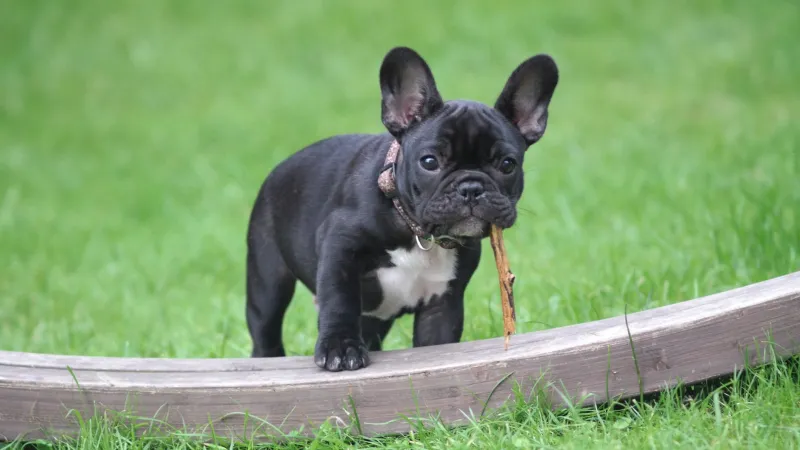
You set the bowl down. You turn around to grab your coffee. You turn back. It's gone. Every last morsel. And your Frenchie is already staring at you like you personally wronged them by not having more ready.
If this sounds familiar, welcome to one of the most universally shared experiences among French Bulldog owners across the US. The speed-eating, the floor-sniffing patrol, the dramatic begging — it's all very on-brand for this breed. But before you just laugh it off as a quirky Frenchie thing, it's worth understanding why it happens and whether it could be causing your pup some real problems behind the scenes.
It's Partly Just Who They Are
French Bulldogs were bred as companion dogs, but somewhere in their DNA lives the spirit of a dog that absolutely does not trust that food will still be there in ten seconds. Gulping food fast is a behavior that goes back to pack dynamics — the dog that eats quickest gets the most. Even though your Frenchie is living their best pampered life in a climate-controlled house with zero competition, that instinct doesn't just disappear.
Beyond instinct, Frenchies are also just really, really food-motivated. Like, legendarily so. It's part of what makes them fun to train, but it also means they approach every meal with the energy of someone who just won a hot dog eating contest.
So yes — some of this is totally normal breed behavior. But "normal" doesn't automatically mean "fine to ignore."
When Fast Eating Becomes a Real Problem
Here's the thing about a dog that inhales food: they're also swallowing a ton of air in the process. For any dog breed, that's uncomfortable. For a French Bulldog — a breed already dealing with a compressed airway and a body shape that doesn't exactly love digestive drama — it can tip into genuinely concerning territory.
Rapid eating in Frenchies can lead to:
- Bloating and gas (yes, even more than the baseline Frenchie situation)
- Regurgitation — not full vomiting, but food coming right back up shortly after eating
- Choking or gagging during meals
- Upset stomach that shows up hours later
- In more serious cases, a condition called gastric dilatation, where the stomach fills with gas and becomes dangerously distended
Gastric dilatation (sometimes called bloat) is more commonly associated with large, deep-chested breeds, but it can and does happen in smaller dogs too. If your Frenchie's belly looks swollen, they seem restless or uncomfortable after eating, or they're trying to vomit without bringing anything up, that's a vet call — not a wait-and-see situation.
But What If It's More Than Just Speed?
Sometimes the issue isn't just how fast your Frenchie eats — it's how much they seem to want. If your puppy acts ravenous all the time, even right after a full meal, it's worth a quick conversation with your vet. A few things that can drive excessive hunger include:
- Intestinal parasites — worms can literally steal your dog's nutrition, leaving them hungry no matter how much they eat
- Malabsorption issues — some dogs don't process nutrients efficiently
- Diabetes or other metabolic conditions — less common in puppies but worth ruling out if the hunger seems extreme
- Underfeeding — it sounds obvious, but puppies grow fast and their caloric needs change quickly; what was the right amount two months ago might not be enough now
If your Frenchie's appetite seems genuinely out of control rather than just enthusiastic, get a vet involved. A simple fecal test can rule out parasites, and a quick checkup can catch anything else going on.
Practical Ways to Slow Your Frenchie Down
Assuming your pup has a clean bill of health and is just being a classic food-obsessed Frenchie, there are some really effective ways to pump the brakes on mealtime chaos.
Slow feeder bowls are probably the most popular fix, and for good reason — they work. These bowls have ridges, mazes, or raised sections built into them that force your dog to work around obstacles to get to their food. What used to take four seconds now takes a few minutes. You can find them at most pet stores across the US or on Amazon for anywhere from $10 to $25. Look for ones specifically designed for flat-faced breeds, since the maze depth matters — too deep and your Frenchie's smushed little face can't reach the food properly.
Puzzle feeders take it a step further. Instead of just slowing eating, they turn mealtime into a mental workout. Your Frenchie has to slide panels, lift flaps, or spin pieces to reveal kibble. This burns mental energy (which Frenchies actually need more of than physical energy, honestly) and makes the meal last significantly longer. Brands like Nina Ottosson make great beginner-level puzzles that work well for puppies.
Muffin tins are a free DIY option. Just spread your pup's kibble across the cups of a standard muffin tin. They have to eat from twelve separate sections instead of one big pile, which naturally slows things down. Bonus: it looks adorable.
Scatter feeding on a snuffle mat or even just on a clean patch of grass outside taps into your dog's natural foraging instincts. Spreading kibble across a textured mat means they have to sniff and search for each piece. It's slower, more enriching, and genuinely tires them out in a way that a bowl never will.
Smaller, more frequent meals can also help. Instead of two larger meals a day, try three smaller ones. Less food per sitting means less opportunity for a full-speed inhale.
A Few Things to Avoid
While you're working on slowing things down, skip the raised food bowls. There's an old school of thought that elevated bowls help with digestion, but research has actually linked them to increased bloat risk in dogs. Keep the bowl on the floor.
Also avoid exercising your Frenchie right after meals. A short walk is usually fine, but zoomies and rough play within about 30 minutes of eating can contribute to stomach issues. Let them digest first.
The Bottom Line
Your Frenchie eating fast is, in most cases, a breed quirk rather than a crisis. But it's one of those quirks that's genuinely worth managing, because the downstream effects — gas, bloating, regurgitation — can make life uncomfortable for both of you. A slow feeder bowl is honestly one of the best $15 investments you'll make as a Frenchie owner.
And if the hunger seems excessive, the weight isn't tracking right, or your pup is showing signs of discomfort after meals? Don't guess — just call your vet. Frenchies are dramatic enough on their own without an actual health issue adding fuel to the fire.