Why Is My Frenchie Puppy So Itchy? The Skin Issue Survival Guide Every Owner Needs
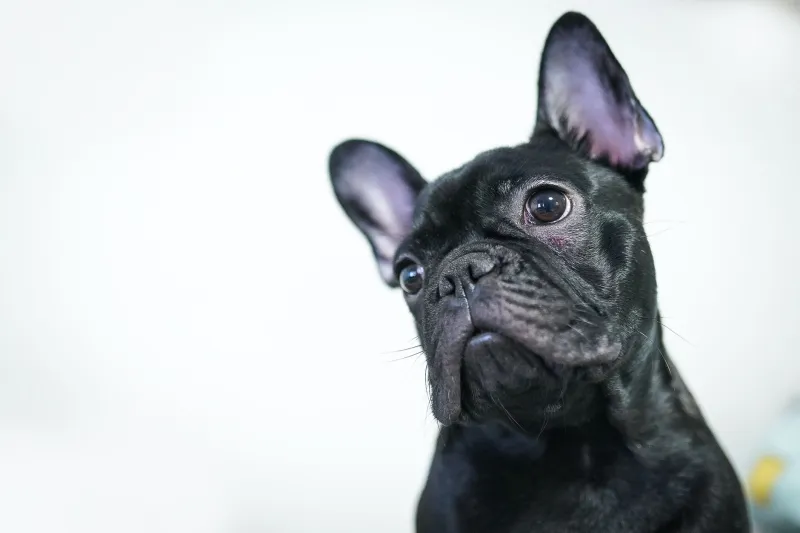
You got a French Bulldog expecting a compact, bat-eared best friend. What you maybe didn't fully sign up for was watching that little gremlin scratch, rub, and lick themselves like it's a full-time job. Sound familiar? Welcome to one of the most common Frenchie owner experiences in the book.
The thing is, French Bulldogs are genuinely predisposed to skin issues. It's not just bad luck — it's biology. Their wrinkly folds, short coats, and sensitive immune systems create the perfect storm for irritation. But not all itching is created equal, and knowing the difference between "annoying but fine" and "vet visit, now" can save you a lot of stress (and money).
Let's break it down.
The Usual Suspects Behind That Non-Stop Scratching
Environmental Allergies
Just like plenty of Americans sneeze their way through spring and fall, Frenchies can be seriously reactive to pollen, grass, mold, and dust mites. The difference? Dogs don't usually sneeze it out — they scratch it out. If your pup seems extra itchy during certain times of year, especially spring or early fall, seasonal allergies are high on the suspect list.
Signs to look for:
- Red, irritated paws (from licking)
- Watery eyes or face rubbing
- Itching that gets worse after outdoor time
- Skin that looks pink or inflamed around the belly and armpits
If your Frenchie is going to town on their paws after every walk, that's a pretty classic allergic reaction to whatever's on the ground.
Food Sensitivities
This one sneaks up on people. Food-related skin issues don't always show up as an upset stomach — sometimes the main symptom is just relentless itching. Common culprits in dog food include chicken, beef, dairy, wheat, and soy. French Bulldogs, with their sensitive systems, can develop reactions to ingredients they've eaten for months without issue.
The tricky part: diagnosing a food allergy takes patience. The gold standard is an elimination diet — usually 8 to 12 weeks on a novel protein (something your dog has never had before, like duck or venison) with zero treats or table scraps on the side. It's tedious, but it's the most reliable way to figure out if food is the culprit.
Skin Fold Infections (Pyoderma)
Here's where the Frenchie's signature look becomes a bit of a liability. Those adorable face wrinkles, the fold under the tail, the crease along the nose rope — all of that warm, moist skin-on-skin contact is basically a five-star hotel for bacteria and yeast. If you notice a funky smell, redness, or dark discharge coming from any fold, you're likely dealing with a fold infection.
This one's important: fold infections don't resolve on their own. They need to be cleaned regularly and, if they've progressed, treated with medicated wipes or prescription medication from your vet.
Fleas, Mites, and Other Tiny Troublemakers
Before you go deep on allergy theories, rule out the basics. Fleas are obvious offenders, but mange (caused by mites) is sneakier and more common in puppies than most people realize. Demodectic mange, in particular, tends to pop up in young dogs with immune systems that are still developing.
If you're seeing patchy hair loss, scaly skin, or intense localized itching — especially around the face and legs — don't wait on this one. A vet can do a simple skin scraping to check for mites.
Your At-Home Diagnostic Checklist
Before you panic or before you dismiss it, run through these quick checks:
- Check the folds. Part every wrinkle and look for redness, moisture, or odor. Healthy folds should look clean and dry.
- Look at the paws. Reddish-brown staining between the toes from saliva is a telltale sign of chronic licking — usually allergy-related.
- Inspect the belly and armpits. These thin-skinned areas show irritation first. Pink or rashy? Pay attention.
- Run a flea comb through the coat. Look for actual fleas or tiny dark specks (flea dirt) on the skin.
- Think about timing. Did the itching start after a new food? A new detergent on their bedding? A walk in a new area? Timing is everything.
- Smell the dog. Seriously. A yeasty or sour smell, especially from the ears or folds, is a red flag for infection.
Relief Strategies That Actually Help
While you're figuring out the root cause, there are a few things you can do to give your pup some relief:
- Oatmeal baths — A gentle, fragrance-free oatmeal shampoo can soothe irritated skin without stripping it. Aim for once a week or as needed.
- Hypoallergenic wipes — Use these daily on the folds to keep moisture and bacteria at bay. Unscented baby wipes work in a pinch, but pet-specific ones are better.
- Omega-3 supplements — Fish oil added to your Frenchie's food can support skin barrier health over time. Talk to your vet about dosing.
- Cool compresses — For hot, inflamed spots, a cool damp cloth can take the edge off while you work on the bigger issue.
- Switch to fragrance-free everything — Laundry detergent, floor cleaners, air fresheners. Frenchies can react to household products just as easily as outdoor allergens.
When You Really Do Need to Call the Vet
Here's the honest decision tree:
Call the vet if:
- The itching is so intense your dog can't sleep or is breaking the skin
- You see open sores, significant hair loss, or crusty patches
- There's swelling, especially around the face
- A fold looks infected (red, smelly, or oozing)
- Your puppy seems lethargic or off in addition to itchy
- Nothing you've tried at home is making a dent after a week or two
Watch and wait (for now) if:
- The scratching is mild and occasional
- Skin looks normal — no redness, rash, or irritation
- You've recently introduced something new and want to see if removing it helps
- Seasonal timing lines up and your pup is otherwise acting totally normal
Your vet has tools you don't — skin scrapings, allergy testing, prescription shampoos, and medications like Cytopoint or Apoquel that can make a dramatic difference for dogs with moderate to severe allergies. Don't tough it out too long if your Frenchie is clearly miserable.
The Bottom Line
Itchy Frenchies are common. Suffering Frenchies don't have to be. A little detective work, some consistent fold maintenance, and a good relationship with your vet goes a long way toward keeping your pup comfortable in their own wrinkly skin. And honestly? Once you crack the code on what's bugging them, life gets a whole lot better — for both of you.