Making Friends the Frenchie Way: A Guide to Building Your Pup's Social Life
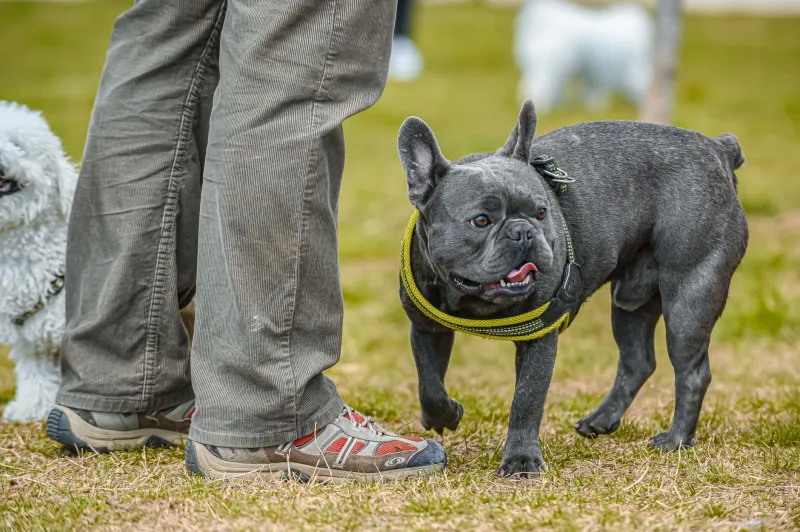
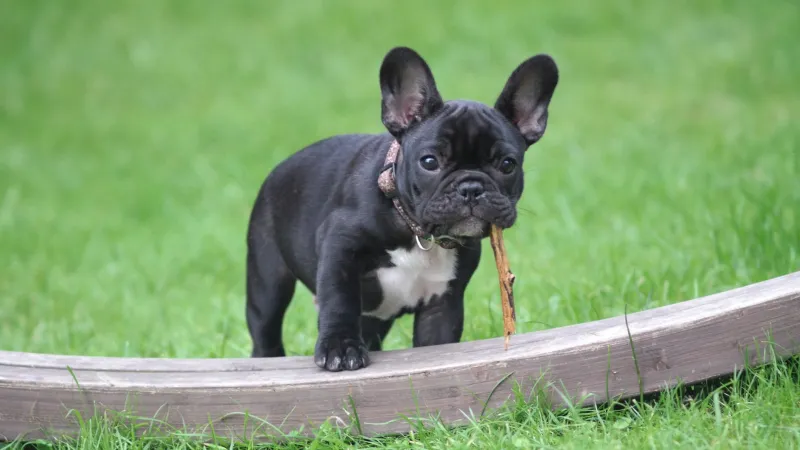
French Bulldogs are not shy creatures. Walk into a room with one and watch what happens — they'll work the crowd like a tiny, bat-eared politician. But here's the thing: charm and confidence aren't always the same. Some Frenchies who seem bold and outgoing can actually be anxious around unfamiliar dogs or overwhelmed in chaotic social situations.
Building a genuinely healthy social life for your Frenchie — one that includes other dogs, new people, and unfamiliar environments — takes a little more thought than just showing up at the dog park and hoping for the best.
This guide is for owners who want their Frenchie to be well-adjusted, genuinely social, and comfortable in a variety of situations. Let's break it down.
Why Socialization Matters More Than You Think
You've probably heard that early socialization is important for puppies. But it's worth understanding why, because it shapes everything.
Dogs that are exposed to a wide range of people, animals, sounds, and environments during their critical developmental window (roughly 3 to 14 weeks) tend to grow into calmer, more adaptable adults. Frenchies that miss out on that window — whether because of cautious breeders, health issues, or owners who didn't know better — can develop anxiety, reactivity, or fear-based behaviors that are genuinely hard to undo later.
The good news: even if your Frenchie's early socialization wasn't ideal, you can still make a real difference with consistent, positive exposure at any age. It just takes more patience.
Starting With People: Building Human Confidence
Frenchies are generally people-lovers, but "loving people" and "being comfortable around all types of people" aren't the same thing. Your Frenchie might adore your family and be suspicious of anyone wearing a hat, a hoodie, or sunglasses.
The goal is to expose your pup to as much human variety as possible — different ages, appearances, voices, and energy levels — in a way that feels safe and rewarding.
Practical tips for expanding your Frenchie's human circle:
- Bring treats everywhere. When your Frenchie meets someone new, let that person offer a treat. You're building an association: new human = good things.
- Don't force interactions. If your Frenchie is hesitant, don't push them into someone's arms. Let them approach on their own terms.
- Vary the settings. Meeting friends at home is great, but also take your pup to pet-friendly stores, outdoor patios, and neighborhood parks where they'll encounter strangers naturally.
- Watch for stress signals. Yawning, lip licking, turning away, and tucked tails are signs your Frenchie is uncomfortable — not just being dramatic.
Introducing Your Frenchie to Other Dogs
This is where things get more nuanced. Frenchies can be fantastic with other dogs — playful, silly, and enthusiastic. But they can also be selective. Some Frenchies prefer dogs of similar size and energy. Others get overwhelmed by high-energy breeds and shut down or get snappy.
The golden rule: controlled introductions first.
Don't just toss your Frenchie into a dog park full of strangers and call it socialization. That's a recipe for a bad experience that can set your pup back significantly.
Instead:
- Start one-on-one. Arrange a meetup with a friend's calm, vaccinated dog in a neutral space — a quiet park, a backyard, somewhere neither dog considers their territory.
- Let them sniff and circle. Parallel walking (walking side by side without direct face-to-face contact) is a great way to let dogs get used to each other before a formal greeting.
- Keep early sessions short. Fifteen to twenty minutes of positive interaction is better than an hour that ends in overstimulation.
- Read the body language. Loose, wiggly bodies = good. Stiff posture, hard staring, or raised hackles = time to create some distance.
Dog Parks: Proceed With Caution
Dog parks are controversial in the dog training world, and for Frenchies specifically, there are some real considerations.
Frenchies are compact and not particularly fast. If a larger, rougher dog decides to play too hard or becomes aggressive, your Frenchie is at a physical disadvantage. Their flat faces also mean they can overheat faster than other breeds, especially if they're running around in warm weather.
That doesn't mean dog parks are off the table — many Frenchies genuinely love them. But go during off-peak hours, keep sessions short, watch the weather, and don't hesitate to leave if the energy in the park feels too chaotic.
Pro tip: Look for small dog sections or scheduled small breed meetups if your park has them. A calmer, size-appropriate environment makes a big difference.
Introducing a New Pet at Home
Adding another animal to a Frenchie household — whether that's another dog, a cat, or something else — requires a thoughtful transition.
Frenchies tend to do well with other pets when introductions are handled gradually. Here's a basic framework:
- Scent first. Before the animals meet face to face, let them sniff each other's bedding or a worn t-shirt. Familiarity through scent reduces the shock of a live introduction.
- Separate spaces initially. Give each pet their own safe zone where they can decompress without being bothered.
- Supervised meetups only. Don't leave a new pair alone together until you're genuinely confident they're comfortable with each other — and that can take weeks.
- Watch your Frenchie's clinginess. Frenchies are deeply bonded to their people, and a new pet can trigger jealousy. Make sure your Frenchie still gets dedicated one-on-one attention during the transition.
When Your Frenchie Might Just Be a Solo Act
Here's the honest part: not every Frenchie wants a bustling social life. Some are genuinely happiest as only pets with a tight-knit human family. That's not a failure — it's just who they are.
Signs your Frenchie might prefer a quieter social situation:
- Consistently anxious or reactive around other dogs despite patient socialization efforts
- Stress behaviors (hiding, excessive panting, refusal to eat) after social outings
- Aggression that doesn't improve with training and exposure
If you're seeing these patterns, working with a certified professional dog trainer or a veterinary behaviorist is worth the investment. There's no shame in acknowledging your dog's personality and adjusting your expectations accordingly.
The Takeaway
Building a rich, healthy social life for your Frenchie isn't about forcing them to be the life of every party. It's about giving them the tools, the positive experiences, and the confidence to navigate the world comfortably — on their own terms.
Go slow, stay consistent, and celebrate the small wins. A Frenchie who calmly meets a new dog or greets a stranger without losing their mind? That's a big deal. And it's 100% worth the effort.